

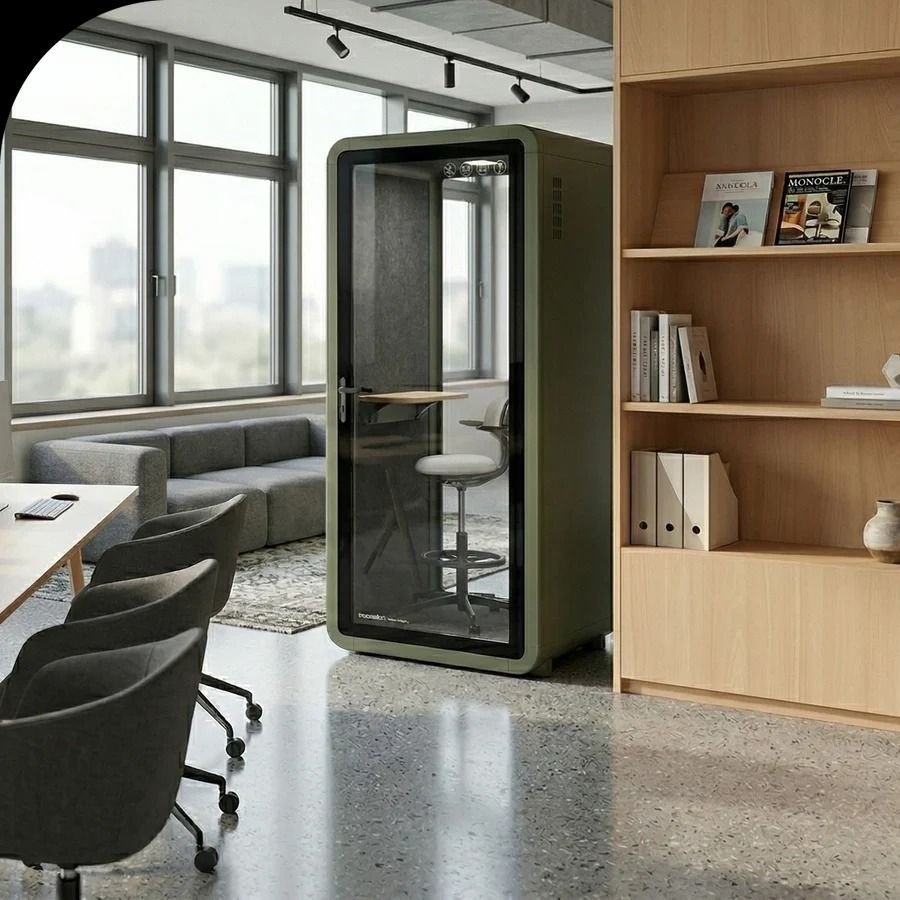
Discover a quieter workday through smarter space planning
When teams feel interrupted all day, productivity doesn’t just dip—it splinters into shorter attention cycles and more rework. Instead of relying on headphones or “quiet hours,” you’re designing the environment so privacy is built into the layout. That shift supports both concentration and collaboration, because people can choose the right setting for the moment.
Brand discovery starts with recognizing what different pod styles are designed to do. Some spaces are optimized for short calls and quick standups, while others feel more like mini meeting rooms with added comfort features. That means you can match the pod type to the way your team works, whether you’re a sales organization handling frequent customer calls or a support team needing consistent troubleshooting time. As you evaluate options, pay attention to acoustic performance, ventilation comfort, and how the pod fits into existing floor flow.
Why sound control matters more than you think in open offices
Open-plan offices look collaborative on paper, but sound travels farther than most people realize. Even when speech isn’t loud, it can register as distraction when it happens repeatedly near desks. With the right acoustic design, employees stop “listening to the office” and can instead focus on their tasks.
Acoustic separation also improves communication quality. If a call happens inside a pod, you reduce echo and external chatter, which helps the person on the other end hear you more clearly. For internal meetings, privacy pods allow quieter conversations without forcing everyone to lower their voices across the workspace. The result is a calmer office culture where people aren’t constantly negotiating noise levels, and managers spend less time addressing avoidable disruptions.
What to look for when choosing privacy pods for your team
Start by mapping where privacy is needed most: sales calls, client discussions, HR conversations, or deep work sessions for analysts and designers. Once you know the primary use cases, you can choose a pod size and configuration that supports those routines. Larger pods can handle quick meetings and collaborative tasks, while smaller booths work well for individual calls and focused writing. This approach prevents overbuying space and helps you get higher satisfaction from day one.
Next, consider comfort and usability details that affect adoption. Ventilation, lighting, and door operation determine whether employees actually want to use the pod or avoid it. Look for a solution that feels welcoming during longer sessions, not just during brief calls. Also think about accessibility and placement so employees can reach the pod without disrupting others—especially in high-traffic corridors. When the pod feels easy to use, it becomes part of daily workflow rather than a “nice-to-have” feature.
Conclusion
When you approach the purchase as brand discovery—matching pod style, acoustic goals, and comfort needs to real team routines—you’ll get better usage and clearer ROI. Solutions like those from soundboxstore.com support private spaces for calls, meetings, and focused work, helping employees enjoy quieter moments without leaving the office. The best outcome is a workplace where privacy is accessible, communication is clearer, and attention is easier to protect. As you compare options, focus on how the pod will function in your daily operations rather than only on appearance. Consider how employees will move between open areas and private zones, and how that movement supports both individual and team productivity. With a thoughtful selection, you can transform the acoustics of your floor and make privacy feel natural. That’s the difference between installing equipment and building a better work experience with soundboxstore.

