

Start With Your Room Goals and Layout
Before comparing styles, decide what the rug should accomplish in your space. Do you want to anchor furniture for a cohesive conversation area, soften a room with hard flooring, or add warmth to foot traffic zones. Measure the seating area first, because loloi area rugs the right size depends on how you place sofas, chairs, and coffee tables. If you’re unsure, aim for a rug that lets the front legs of major furniture pieces rest on it for a grounded look.
Next, plan how much of the floor you want to reveal. In open-concept rooms, a well-chosen rug defines zones without closing the space, especially around dining tables and living areas. For a more traditional feel, leave a consistent border of flooring visible around the perimeter. For a bolder design statement, you can choose a larger footprint so the rug becomes the dominant visual element.
Choose the Right Size: When to Consider 8×10
Size is the most common reason rugs end up looking awkward, even when the pattern is beautiful. If the rug is too small, furniture can appear to float and the room may feel disjointed; if it’s too large, it can overwhelm pathways and distort proportions. 8×10 area rugs A practical approach is to use painter’s tape on the floor to outline the rug size, then test how it frames the furniture after you step back. This quick visualization helps you judge scale under real lighting.
This size often works well when you want a comfortable seating zone where the rug visually unites the sofa and chairs. It’s also a strong choice for bedrooms with larger furniture, creating a hotel-like foundation under a bed. If you have a long dining table, confirm that chairs can sit comfortably on the rug when pulled out, since usability matters as much as aesthetics.
Select Patterns and Materials for Longevity
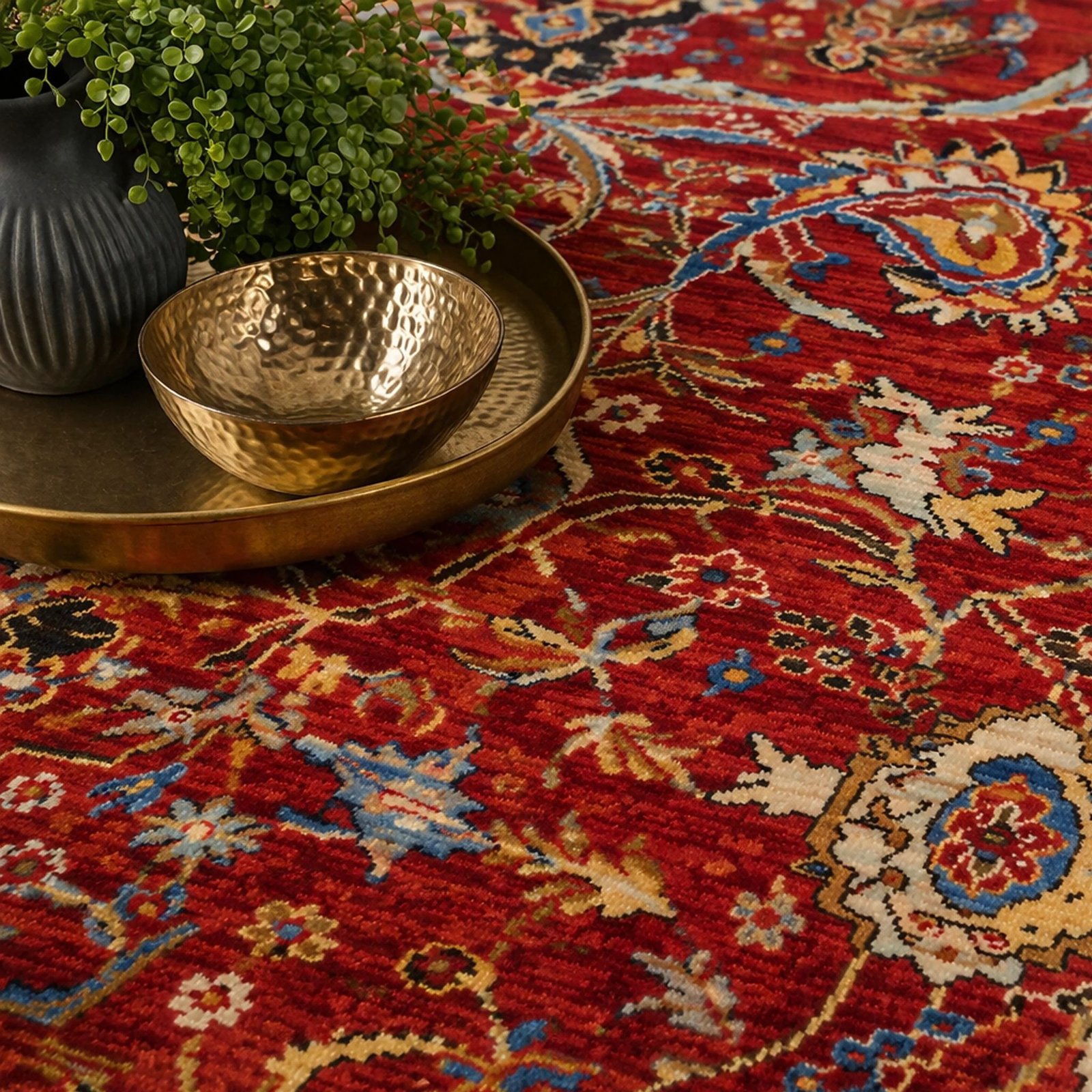
When you’re choosing designer rug styles, start with your design direction: modern, transitional, classic, or eclectic. Geometric motifs tend to complement clean lines and contemporary furniture, while medallion or ornate patterns can add character to more traditional interiors. Color also plays a functional role—neutral tones help rugs blend with multiple decor styles, while saturated colors create a focal point that ties together accents like pillows and artwork. Think about how often you refresh your decor, because a more versatile palette can extend the rug’s lifespan visually.
Material selection influences comfort, maintenance, and durability. Wool rugs typically offer natural softness and resilience, while synthetic blends can provide easier cleaning and strong performance in busy households. If you have pets or high traffic, prioritize tighter weaves or construction that resists matting. For texture, consider how the pile will feel underfoot and how it will interact with furniture legs—low pile styles generally work well with easier chair movement.
Conclusion
A smart purchase balances design impact, proper measurements, and practical care needs. Decide on the role your rug will play, confirm size with a floor test, and choose a pattern and material that match your lifestyle. When you shop with clear criteria, you’re more likely to end up with a piece you’ll enjoy for years rather than just a short-term trend. With expert service and fast shipping support, you can feel confident selecting the right rug for your space.

