

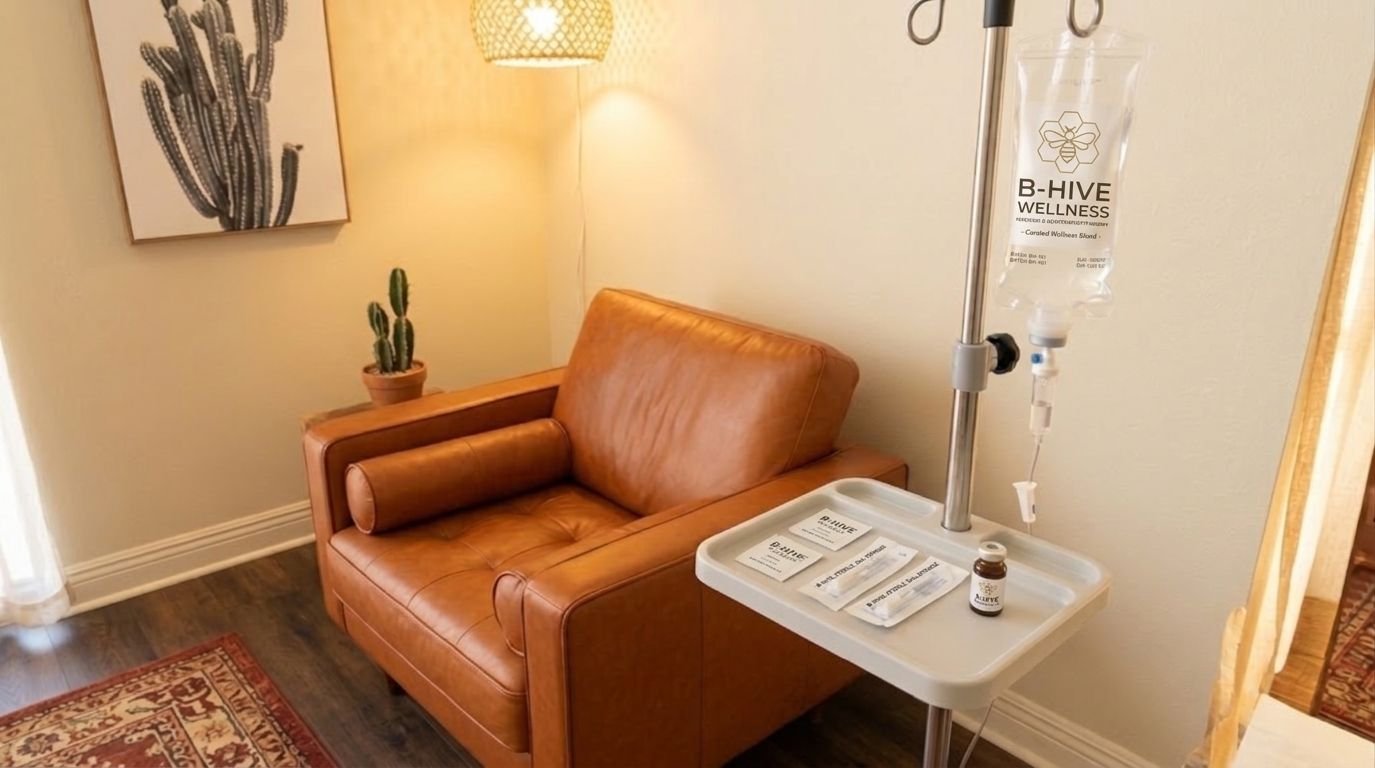
Start With Your Goals and Safety Basics
Before booking an appointment, start with a clear goal for what you want hydration support to accomplish. Some people pursue improved energy, recovery after illness, or support during travel, while others use it as part of a broader wellness plan. IV hydration Having a specific target helps the clinician choose the most appropriate approach and infusion composition. It also keeps expectations realistic, since hydration support works best when paired with root-cause care and lifestyle adjustments.
Next, gather essential safety details so the team can screen for fit and risks. Make a quick list of medical conditions, past infusion reactions, current medications, and recent lab results if you have them available. If you have kidney disease, a history of heart failure, or restrictions on fluid intake, mention these early so the plan can be tailored. Bring a way to note symptoms you experience during or after wellness visits, such as lightheadedness, flushing, or nausea, so the team can adjust promptly if needed.
Prepare for the Appointment With the Right Paperwork
A good hydration appointment starts with preparation that makes your experience smoother and more accurate. Bring photo identification and a current medication list, including supplements and over-the-counter products. If you’ve had recent bloodwork, keep a copy or bring access to the results so the team can interpret them in context. Also write down any questions you want answered, because clinic visits are easier when you can focus on decision points rather than remember details.
Use a simple symptom checklist to describe what you’re feeling and when it started. Note factors such as dehydration signs, fatigue patterns, digestive disturbances, muscle cramps, or recovery timeline after workouts. Include how much you’ve been drinking and whether you’ve had changes in appetite, sleep, or stress levels. This context helps the clinic identify whether hydration is the primary issue or whether an underlying driver—like nutrition gaps, electrolyte imbalance, or inflammatory stress—needs attention first.
Ask These Questions About the Infusion Plan
When you meet with the clinician, use a checklist of questions to ensure the plan is individualized. Ask what the infusion is designed to address and how they will determine the right electrolyte or vitamin components. Inquire about expected timing and how you might notice benefits, such as reduced fatigue or improved hydration markers. You can also ask how they’ll monitor response during the session and what adjustments might be needed based on your comfort and vital signs.
Clarify the practical logistics so you know what to expect from start to finish. Ask how long the appointment typically takes, what you should bring, and whether you should plan for light activity afterward. If you have a busy schedule, request guidance on the best time to schedule based on your goals and how you usually tolerate medical services. Finally, ask about follow-up care: whether additional labs, testing, or functional protocols are recommended to address underlying causes rather than only symptoms.
Aftercare and Tracking: Know How to Measure Results
After the appointment, treat the infusion like a starting point for a larger recovery and wellness pathway. Many people do best when they continue hydration habits and focus on balanced nutrition for the next day. Keep an “aftercare checklist” that includes water intake, a return to steady meals, and attention to how your body feels over the following hours. If you notice benefits, note what changed—energy, exercise tolerance, head clarity, or reduced discomfort—so you can connect outcomes to the plan.
It’s also important to track any side effects or unusual symptoms. Write down what you felt immediately after the infusion and whether anything persisted, improved, or worsened. Contact the clinic if you experience concerning reactions such as persistent dizziness, swelling, shortness of breath, or severe nausea. When symptoms resolve quickly and benefits last, it can support the decision to repeat hydration strategically—especially when paired with labs and testing that identify the deeper drivers.
Conclusion
By setting goals, confirming safety basics, preparing your medical information, and asking targeted questions, you help the clinician tailor the plan to your needs. Aftercare tracking then provides real feedback, which supports better decisions about follow-up labs and functional protocols. At B Hive Wellness, the focus is on root-cause identification and physician-led guidance so hydration support can fit into a complete healing strategy. Use these steps to make your next appointment more productive and confidence-building. When you align your preparation, questions, and outcome tracking, you increase the chance that hydration support contributes to meaningful improvements. If your underlying drivers require additional attention—such as nutrient gaps, hormone imbalances, or stress-related inflammation—the clinic can guide next steps with testing and individualized protocols.

