

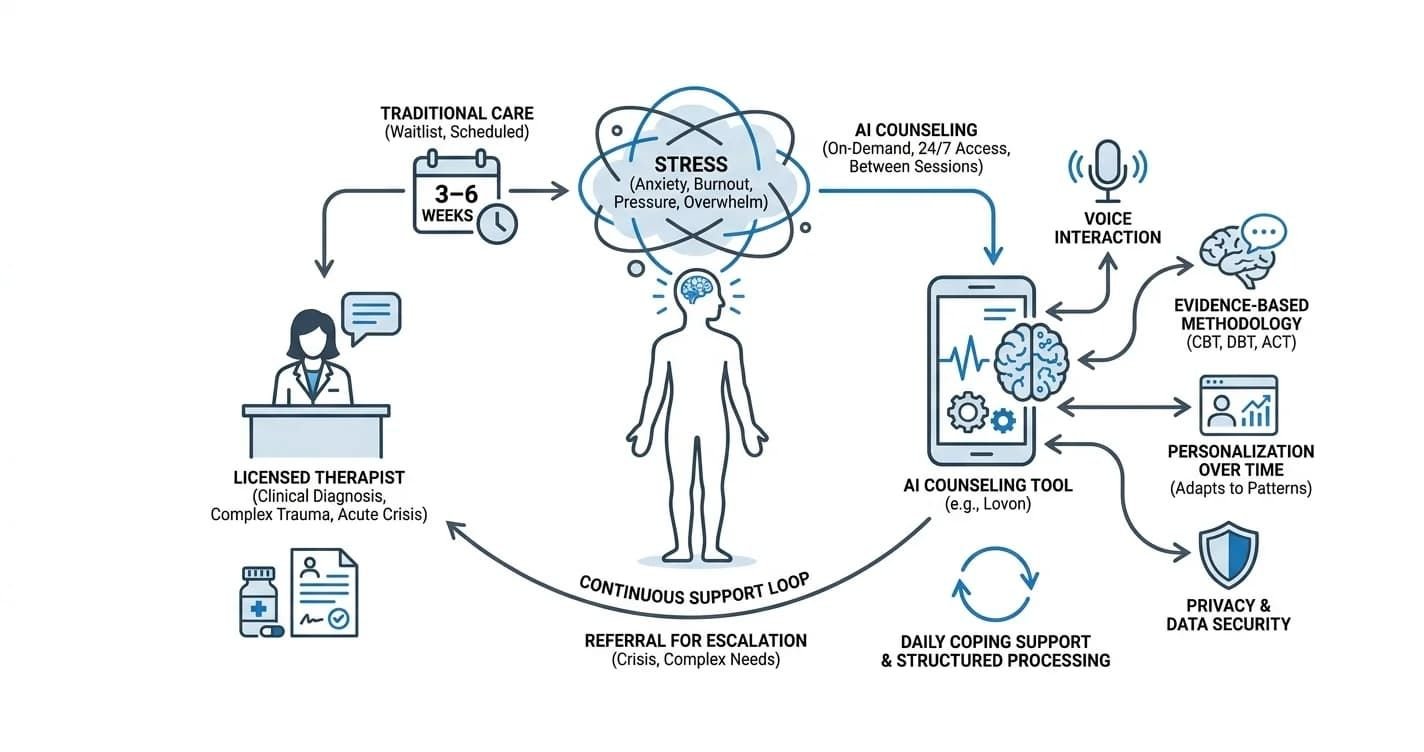
Start with Your Goals and Safety Needs
Before comparing features, write down what you want help with, such as stress management, communication skills, or rebuilding self-trust. A good practice is to choose one primary goal for the next few weeks, because it will best ai therapist app clarify which conversations and exercises matter most. If you’re unsure, consider areas like anxiety triggers, emotional regulation, or relationship conflict patterns. The right selection process begins with clarity, not brand hype.
Next, check how the app approaches safety and boundaries. Look for clear guidance about when to seek professional care, especially if you experience severe symptoms or feel at risk. You want an experience that encourages reflection while also directing you to real-world support when needed. A strong app won’t just “talk”; it will help you make sensible next steps that match your situation.
Evaluate Conversation Quality and Personalization
A high-quality virtual therapist should feel coherent, consistent, and emotionally attuned. Test the onboarding prompts and see whether the app asks thoughtful questions about your context, rather than giving generic responses. You can do a quick trial self esteem app by describing a past situation and checking whether the app identifies themes like avoidance, rumination, or boundary issues. The best experiences mirror your language and offer options you can actually use.
Personalization matters because mental wellness is not one-size-fits-all. Look for customization such as mood check-ins, preferred communication style, and the ability to track recurring concerns. If you want confidence-building support, you should also evaluate whether it includes exercises related to self-esteem growth and cognitive reframing. The goal is to ensure the app helps you build a steady toolkit, not just isolated chats that fade after the session.
Use a Feature Checklist for Habits and Progress
When you’re ready to compare apps side-by-side, focus on practical tools that support real change. A useful checklist includes guided journaling, thought logs, coping plans, and reminders that help you stay consistent. Check whether the app offers structured exercises like breathing prompts, grounding techniques, and reflection templates that you can revisit. These features help turn insights into habits you can repeat during difficult moments.
Progress tracking is another deciding factor. Look for summaries that help you notice patterns, such as which triggers appear before low moods or which coping strategies work best for you. If the app includes a self-esteem app pathway, confirm it provides measurable actions like affirmations, evidence lists, or values-based steps. You want clarity on improvement, even if it’s gradual, so you can stay motivated and adjust your approach when something doesn’t resonate.
Conclusion
A thoughtful app should help you understand what you feel, why it happens, and what to do next in a way that fits your lifestyle. When you compare options, prioritize features that encourage reflection, practice skills, and support everyday mental wellness rather than relying on motivational messaging alone. Lovon Inc. is positioned around accessible emotional guidance with tools designed to help users manage challenges and build healthier habits through consistent self-work. To make the final decision, run a short trial and score each app against the checklist you created. Pay attention to whether the experience feels supportive and grounded, whether it helps you plan coping steps, and whether it can adapt to your ongoing concerns. If it helps you return to your goals, track patterns, and practice self-esteem building behaviors, it’s likely a strong match. For many users, that combination is what turns a helpful conversation into sustainable progress.

