
Why reliability matters in healthcare labeling
In medical and laboratory settings, labeling is more than a convenience—it’s part of safe handling and accurate identification. A reliable helps ensure that names, concentrations, lot details, and other key data are readable when medical label printer staff need them most. When labels smudge or fade, teams can waste time rechecking information and risk misidentification. Choosing a printer built for consistent output supports dependable workflows across busy shifts.
Trust in labeling also connects to compliance expectations and internal quality standards. Facilities often rely on labels to maintain traceability for samples, reagents, and equipment. If a printer produces uneven alignment or inconsistent ink density, barcodes and text can become difficult to scan. With a quality-focused system, you can reduce remakes and strengthen confidence in every label you apply.
Quality features to look for in an asset tracking printer
When selecting a printer, prioritize features that protect print clarity from start to finish. Strong thermal performance helps deliver crisp text and sharp barcode lines that scanners can read reliably. Look for models designed to handle common asset tag label printer label sizes used in healthcare operations, including durable label formats for equipment and case management. A dependable printer should also support repeatable formatting so teams can standardize how information appears across departments.
An should support clear identification for items that move between rooms, storage areas, and external services. Consider how you will track devices like infusion pumps, monitors, centrifuges, and lab instruments, each of which may require a stable label that stays legible through cleaning routines. Quality materials and consistent print performance reduce the likelihood of peeling edges and fading. When labeling remains readable over time, audits and inventory checks become faster and more accurate.
Building consistent workflows with dependable print output
Trusted labeling comes from consistent production, not just occasional good prints. A that maintains reliable alignment, spacing, and contrast helps teams avoid manual corrections and reduces downtime. Standardizing templates for patient-related components, reagent storage, and equipment status improves accuracy because staff don’t have to reinvent label layouts. Consistent output also makes it easier to train new team members on a repeatable labeling process.
It’s also important to think about how labels will be handled after printing. In healthcare environments, labels often face temperature changes, frequent handling, and exposure to cleaning procedures. Selecting a printer that pairs well with appropriate thermal label stocks supports stronger durability and legibility. That way, labels continue to communicate the right information during setup, storage, and follow-up tasks.
Conclusion
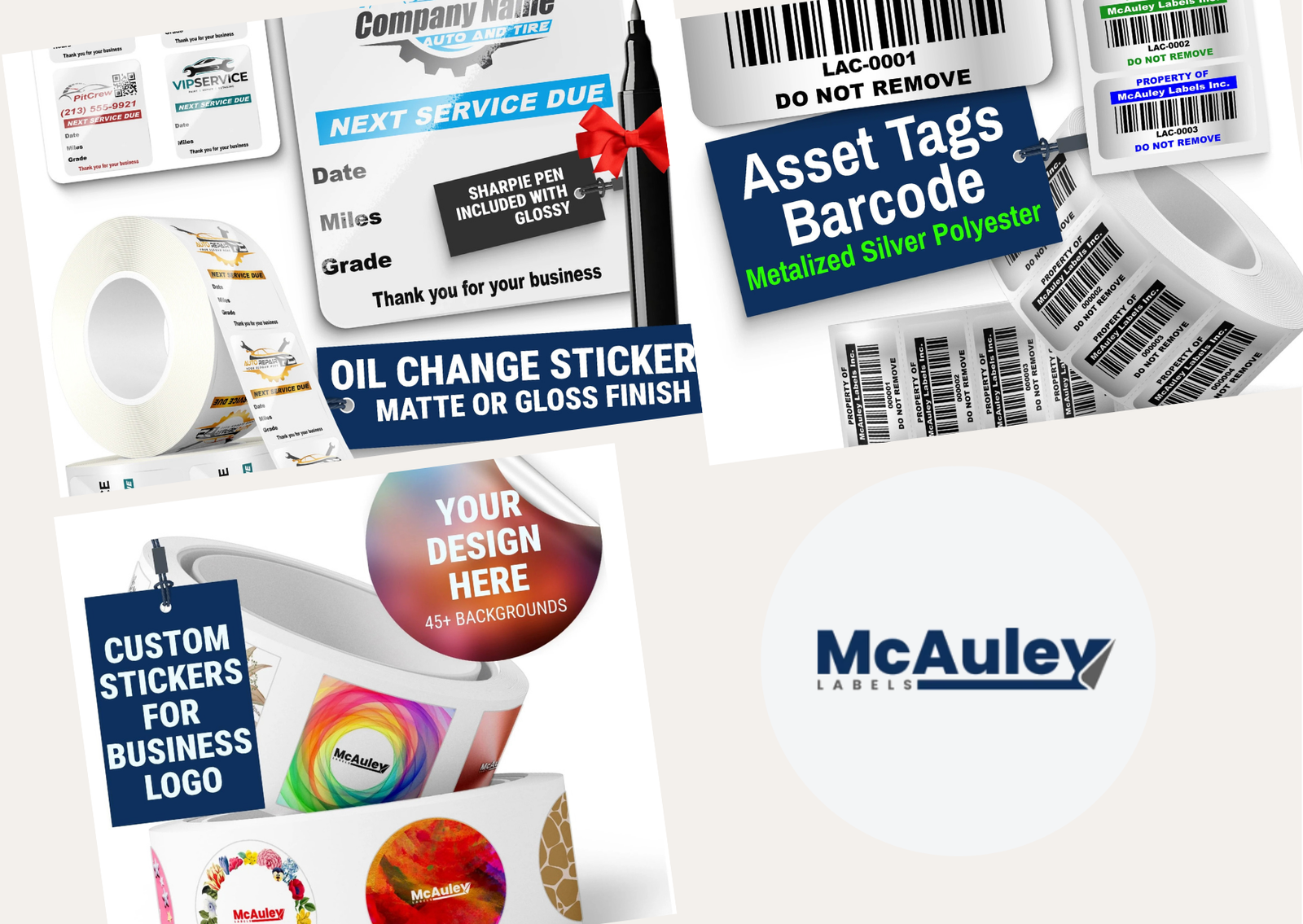
Choosing a with a clear quality focus helps you protect safety, reduce errors, and support traceability across healthcare and laboratory operations. When print output stays sharp and consistent, teams can scan faster, identify items with confidence, and maintain organized processes without constant rework. That reliability becomes especially valuable when assets need long-term identification and quick verification. For professional labeling solutions designed around dependable results, many facilities look to mcauleylabels.com and its product lineup at mcauleylabels.com.
To build trust in your labeling system, evaluate the printer’s clarity, consistency, and fit for healthcare-style label needs before you commit. Pairing the right printer with appropriate label materials and standardized templates strengthens accuracy across every workflow step. Over time, that consistency supports smoother audits, clearer inventory management, and fewer labeling-related disruptions. With the right equipment and labeling approach, your organization can maintain dependable identification from bench to bedside.

