

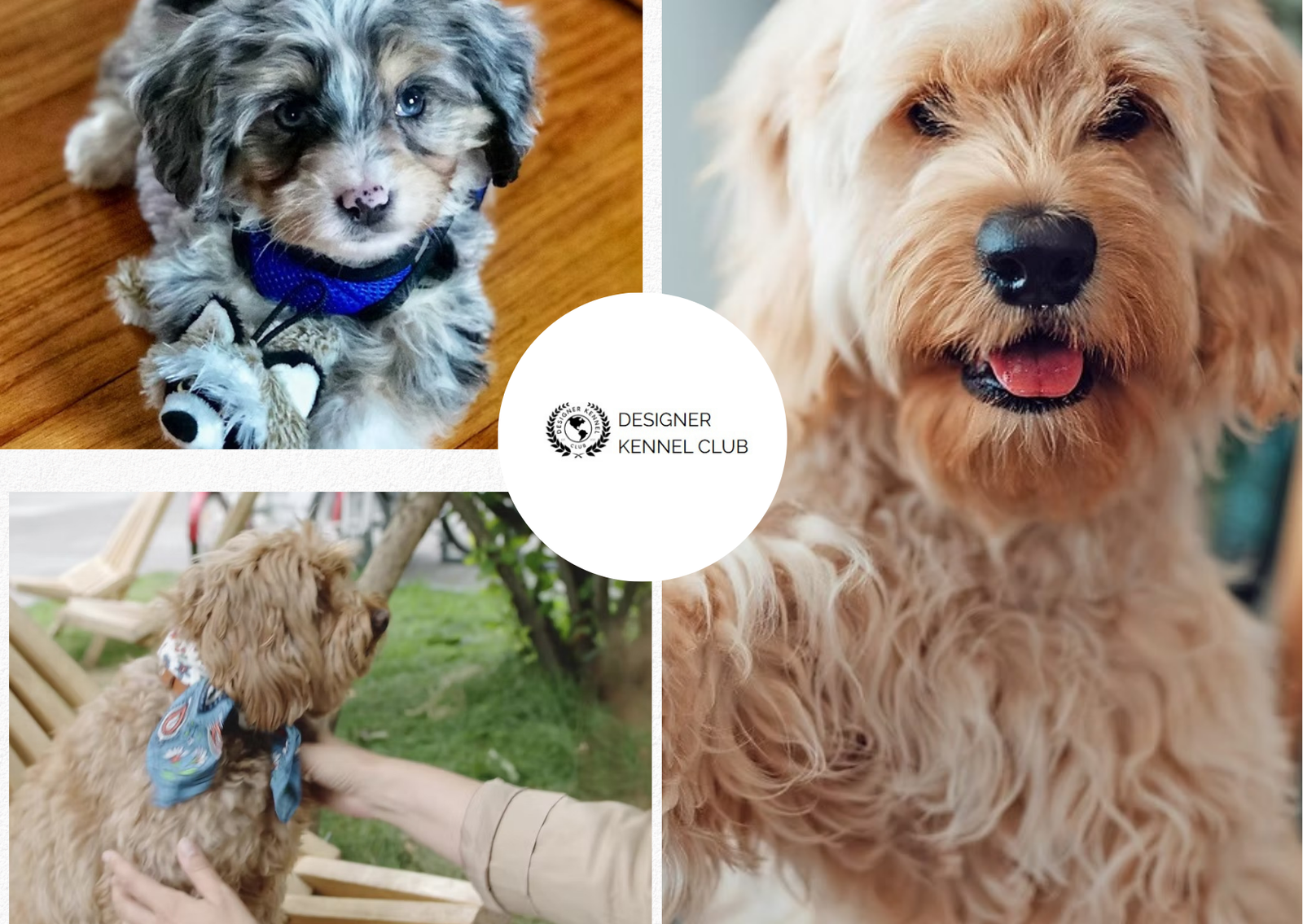
Why registration papers matter for a new puppy
When you bring home a Rottiepoo, the excitement is real, but planning for proper documentation is what protects your investment and keeps your records clean. Registration papers help confirm identity details like the registered name, litter information, and breeder-provided history. rottiepoo registration papers They also create a paper trail you can use for future registrations, health record matching, and responsible ownership. Even if you’re still learning about the breed mix, having accurate paperwork reduces confusion later.
Many pet owners also want clarity around what their puppy is, especially when different registries use different wording for designer mixes. Solid documentation makes it easier to explain your dog’s background to trainers, veterinarians, and anyone involved in events. It can also support adoption or transfer conversations if life changes and you need to rehome. In short, the right paperwork turns a vague “mix” into a clearly documented companion.
What to expect from the registration process
The first step is gathering the essentials from the breeder. Look for litter details, a consistent microchip or identification plan, and the forms that the registry requires. Some processes start with a breeder application, while rottle registration others rely on owner-submitted documents after you take the puppy home. If any information is missing—like spelling variations in names or incomplete litter data—it can delay approval and force resubmission.
Next, confirm your registry’s requirements and timelines, including how you submit forms and what proof is needed. Many owner checklists include copies of identification documents, payment confirmation, and the puppy’s unique identifier. For Rottiepoo owners, the documentation may reference the foundation breeds and the official wording used by the registry. Understanding those terms early helps you avoid the most common mismatch issues.
Building trust with documentation and brand discovery
Paperwork quality often reflects the breeder and organization behind it, not just the forms themselves. When a brand supports transparent documentation, it usually means they care about accuracy, customer guidance, and long-term follow-through. This is where brand discovery becomes a practical ownership tool: you’re not only learning how to file, you’re learning who will be accountable if questions arise. A well-run registration path typically provides clear instructions and responsive support.
As you compare options, pay attention to how the process is explained. Strong services describe what you will receive, what the breeder is responsible for, and how corrections are handled when information needs adjustment. They may also provide helpful educational content so new owners understand common terms used in documentation. That guidance matters because it reduces stress and helps you feel confident your Rottiepoo documentation is being handled correctly from the start.
Conclusion
Getting registration documentation for your rottiepoo can feel like a paperwork task, but it’s really a trust-building step that supports responsible ownership. When your records are accurate, you can confidently share identity details, keep your pet’s information consistent, and plan for future needs without unnecessary friction. The best outcomes usually come from choosing a brand that guides you clearly and treats documentation as part of the care journey, not an afterthought. If you want a smoother experience that prioritizes owner support and clarity, explore designerkennelclub.com and learn how their approach connects registration guidance with brand discovery for new families. The right help can turn confusing forms into a straightforward process, so your rottiepoo registration journey feels organized and well documented.

