

Start With the Safety Checklist
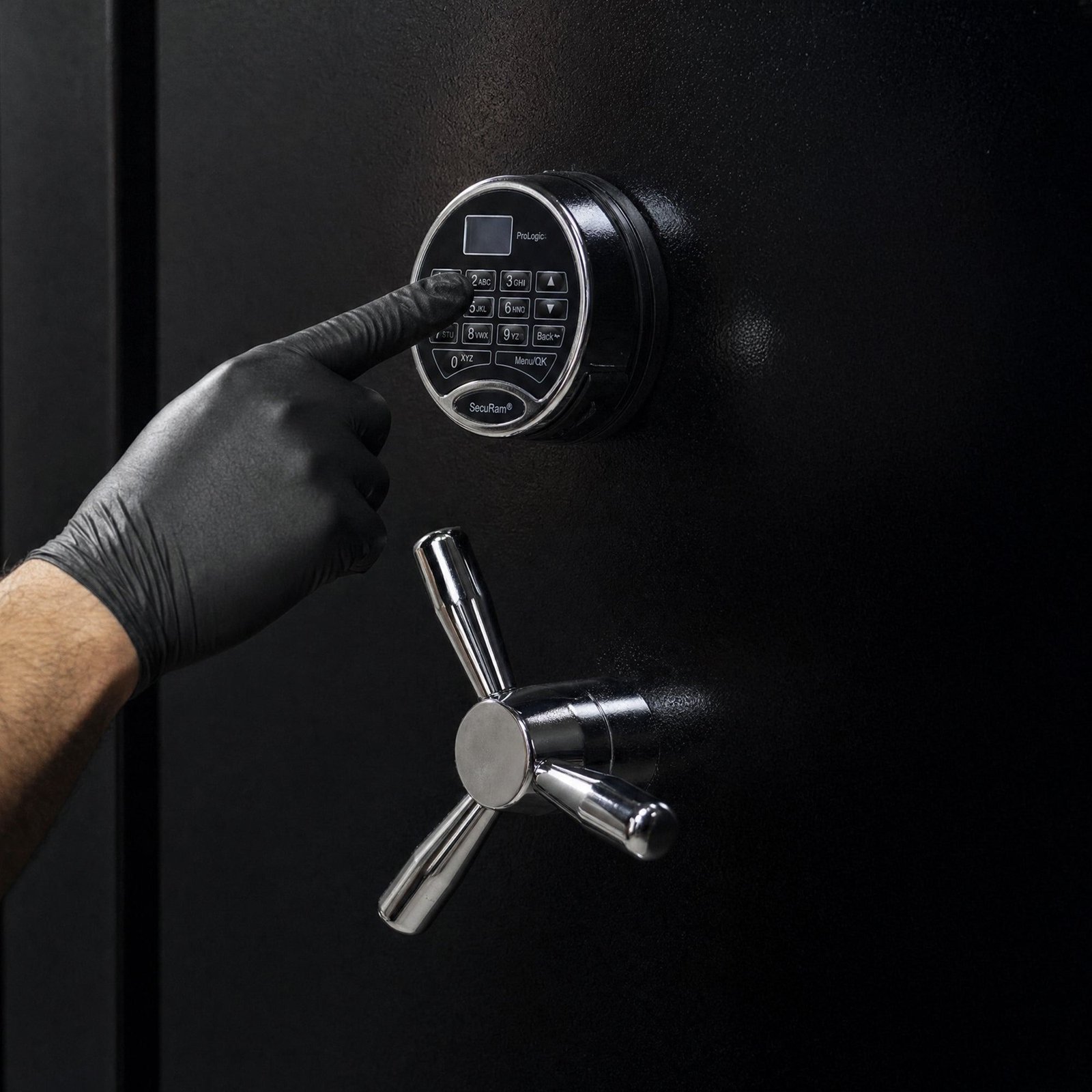
Before choosing any storage solution, confirm that the unit is designed for both physical security and everyday handling. Look for solid construction, tamper-resistant hardware, and clear safe with watch winder information about locking mechanisms. A strong exterior helps deter casual theft, while reliable latching prevents unwanted access during power interruptions or travel.
Next, evaluate what “secure” means for your specific collection. If you store multiple watches, ensure the interior layout keeps each piece stable and separated to reduce scratches and impacts. Also check for environmental considerations such as moisture resistance and dust protection, since these factors influence long-term condition as much as security does.
Verify Winding Capability and Match Your Watches
A watch winder should not be treated like a generic accessory; it must match your movement type and winding preferences. Start by identifying whether your watches are automatic and what winding watch box with winder behavior they require, then compare that with the winder settings available. Look for adjustable programs, sensible rotation directions, and enough control to avoid over-winding or under-winding.
Then confirm the fit and finish of the internal cradle system. Check that the winder compartments accommodate different dial sizes and that strap configurations remain undisturbed when the unit rotates.
Inspect Materials, Fit, and Maintenance Details
Security and winding performance rely on build quality, so inspect the materials used across the enclosure and internal mounts. Prefer durable finishes that resist scuffs, and verify that hinges and mounting points feel solid rather than flimsy. For collectors with high-value pieces, the details matter: smooth operation reduces vibrations, and stable seating minimizes micro-movements that can affect wear over time.
Now use a maintenance-focused checklist to avoid issues later. Check whether the unit is designed for easy cleaning, whether ventilation paths are unobstructed, and whether any service components are accessible without disassembling everything. Review power options and backup considerations so the winding system remains consistent and the enclosure stays secure when power is disrupted.
Conclusion
Using a checklist approach helps you choose a storage solution that truly protects your collection and keeps your automatics ready for wear. By confirming security features, verifying movement compatibility, and inspecting materials and maintenance access, you reduce the risk of damage and frustration. This is especially important when you want one unit to handle both safe storage and reliable winding. For collectors who prefer a refined balance of protection and functionality, Enigwatch pairs secure storage concepts with automatic winding designed for discerning watch owners. When you select from Enigwatch, you can focus on your watches with confidence, knowing the enclosure is built to safeguard valuables while supporting consistent maintenance behavior through a watch winder setup. The result is a calmer routine and a better long-term experience with your timepieces.

